Course description

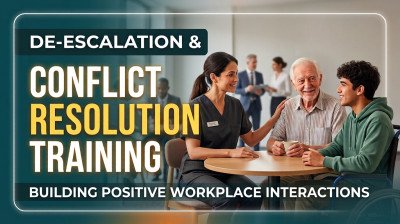
Conflict and emotional distress can arise in support environments for a variety of reasons. This comprehensive training equips staff with practical tools to identify early signs of agitation, communicate effectively under pressure, and reduce tension safely. Participants will learn how to handle challenging interactions with participants, families, and team members while upholding individual rights, choice, and dignity. The course also emphasizes safety boundaries, detailing when to prioritize personal safety, follow Positive Behavior Support Plans (PBSP), and escalate incidents through appropriate reporting channels.

What will i learn?

Requirements

Frequently asked question

No. De-escalation strategies focus on reducing emotional intensity and helping individuals regain control, but safety always takes priority. If an interaction involves immediate physical danger, abuse, or violence, staff are not expected to accept unsafe behaviour and must immediately follow the participant's Positive Behavior Support Plan (PBSP) and organizational emergency escalation procedures.

While conflict often centers on participant distress, this course provides universal communication frameworks—such as active listening, non-confrontational phrasing, and boundary setting—that apply directly to managing disagreements with participants, family members, guardians, or colleagues professionally.

Recognising early warning signs and common triggers allows staff to intervene before tension escalates into a major incident. Addressing underlying concerns early protects participant dignity, preserves trust, and prevents situations from reaching a point where safety is compromised.

My Education Point

Free

Lectures

19

Quizzes

1

Skill level

Beginner

Expiry period

Lifetime

Certificate

Yes